


 Seattle
- 교육
Seattle
- 교육
Are We Actually Learning - Or Just Surviving School?


Leyna Joe 학생기자 서니힐스 고교 9학년
That’s because school can start to feel less like learning and more about memorizing just enough to pass. Students spend sleepless nights cramming information the night before a test just to take it and pray for a 90% or higher. The cycle repeats and the material is forgotten soon after. Although some students may struggle with the new units they are introduced to everyday, there is often no time for them to catch up completely.
Additionally, a quiet competition lurks in every school. There‘s always a talk of who set the curve, who’s in the most vigorous classes, who has the highest GPA. Even if no one says it out loud, it can feel like students are all being compared, especially by admissions officers or even parents. It‘s an unwritten rule that students should all be aiming for hundreds of volunteer hours per school year and starting global nonprofits while they’re still in their teens. School for many students starts to feel like a racetrack rather than a pathway to better education.




This pressure adds up fast. Many students feel burnt out long before graduation. Late nights, constant deadlines, and the fear of falling behind can make school feel exhausting instead of exciting. Being awake studying at ungodly hours is not looked twice upon in high school, even though teenagers require 8-10 hours of sleep nightly in order to support mental and physical health, growth, and cognitive function. On top of this, students usually have 8+ hour school days because of part-time jobs, giving or receiving tutoring, volunteering, homework, etc. Shockingly enough, only about 45% of students in the United States complete their bachelor‘s degree within 4 years. A significant part of the reason for this is that students feel burnt out after working tirelessly in high school that their grades begin to falter because they are simply just too tired.
So what’s the point of all this? Good grades can open doors, but they don‘t always show what someone truly understands or how hard they’ve worked. School should be about not being afraid to make mistakes, not students constantly feeling like they‘re not enough or they have to work ten times harder just to keep up. Real learning takes time, mistakes, and curiosity, things that don’t always fit into a timed test or a letter grade. However, nowadays it seems more like one small slip can be reflected as a much bigger mistake in the gradebook. According to the UCSB Office of Teaching and Learning, “By the time the children grow into young adults and attend university, some of them equate ‘mistakes’ with ‘failure’ instead of ‘learning opportunities’.”
Maybe it‘s time to rethink what success in school really means. Instead of asking, “What did you get?” we could start asking, “What did you learn?” Because in the end, the facts we memorize might fade-but the skills we actually understand are the ones we’ll carry with us long after graduation.
<Leyna Joe 학생기자 서니힐스 고교 9학년>
사람·사람들
more![[인터뷰] “경찰 순찰 2배 늘려야”](http://mimg.koreatimes.com/200/120/article/2026/04/30/20260430191413695.jpg "[인터뷰] “경찰 순찰 2배 늘려야”")
[인터뷰] “경찰 순찰 2배 늘려야”
올해 LA 시장 선거에 출마한 애덤 밀러 후보가 본보를 방문해 LA가 직면한 주거비 상승, 치안 불안, 노숙자 문제, 시 행정 비효율 등에 대…
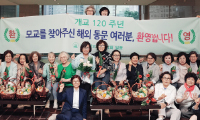
진명여고 동문회 개교 120주년 행사 참석
남가주 진명여고 동창회(회장 장경해) 동문 31명이 지난달 22일 한국 진명여고 동창회 주최로 서울 소공동 롯데호텔에서 열린 개교 120주년 …
문화원 국악 시리즈 ‘궁중 정악 정재’ 공연
LA한국문화원(원장 이해돈)은 2026년 ‘소리로 만나는 국악’ 시리즈의 첫 번째 공연인 ‘궁중 정악 정재’를 지난달 29일 문화원 아리홀에서…
한미자유안보정책센터 정기 임원회의
사단법인 한미자유안보정책센터(KAFSP·회장 최학량·이사장 이광수)는 지난달 20일 LA 옥스포드 팔레스호텔에서 정기 임원회를 열어 가주 상원…
세종학당 한국어 말하기 대회
2026년 세종학당 한국어 말하기 대회가 오는 6월5일(금) 실시된다.이번 대회 참가 대상은 LA 한국문화원 세종학당 및 미국 거점 세종학당 …





- 1
 ‘결별 통보’ 한인 여성, 14발 총격 받아…
 - 2여객기 착륙중 가로등과 충돌 ‘아찔’
- 3
 대기자 명단을 기회로… 전략적 LOCI 한 …
 - 4‘먹는 낙태약’ 우송 금지…제5 연방항소법원 판결
- 5
 캘리포니아 주택보험료 올해 또 16% 오른다
 - 6
 이민 신청 1,100만건 적체…“합법 이민도…
 - 7스위스, 반이민 정서에 “총인구 제한하자”
- 8트럼프 2기 정부 잇딴 법원명령 불복
- 9
 “30일 내 협상 끝내고 종전” 이란 협상안…
 - 10예비선거 우편투표지 발송 시작… 한인 후보들 총력
- 11나스닥 25,000 돌파…뉴욕증시, 연일 최고
- 12“올림픽 대비 경찰력 늘려야” LAPD “520명 신규채용” 요구
- 13
 “온 세상에 자비와 평화를”… 남가주 불교계…
 - 14
 엡스타인 유서 존재 확인… 7년간 법원 금고…
 - 15코스코, 핫도그세트 생수 옵션 제공
- 16
 애착 바지·셔츠 오래 입으려면… 종류별 세탁…
 - 17아마존, 트럼프 띄워준 ‘어프렌티스’ 부활 추진
- 18
 신선 식자재·둘러보는 재미… 지혜로운 파머스…
 - 19
 “보석 없이 불체자 강제 구금은 위헌”
 - 20클라우드 매출에 구글 날고…‘인프라 한계’ 메타는 부진
- 21
 나의 돈, 나의 미래: 두번째 이야기
 - 22HD건설기계 협력사에 850억 금융 보증 지원
- 23
 데이브 민 연방의원 아태계 임파워먼트 서밋
 - 24국경장벽 확장공사, 1천년전 고대유적 훼손
- 25DACA 신분자도 추방될 수 있다
- 26남가주 평통위원 증원… 29명 늘었다
- 27
 소셜미디어 사기 피해 ‘눈덩이’… 연 21억…
 - 28황인범 부상으로 시즌 아웃…북중미 월드컵도 ‘불투명’
- 29
 “경찰 총격에 무고한 희생 더 이상 되풀이 …
 - 30“중 자동차 업체 미국 내 생산·판매 금지”














오피니언
 옥세철 논설위원
이란신정(神政)체제 종식, 끝내기 게임이 곧…
 조형숙 시인ㆍ수필가 미주문협 총무이사
 당신과 당신
 김정곤 / 서울경제 논설위원
[만화경] ‘LG사단’의 바이오 레거시


- 김미선 서북미문인협회 회장시인
[한국춘추] 울음은 도시의 가장 오래된 언어
- 이희숙 아동문학가
[금요단상] K-Pop 소녀의 사랑 이야기
- 최윤필 / 한국일보 기자
[기억할 오늘] 히틀러의 유해를 둘러싼 스탈린의 정치
1/3
지사별 뉴스

연방국토안보부 ‘두달반 셧다운’ 종료
연방국토안보부의 셧다운(일부 기능정지)이 76일 만에 종료됐다.백악관은 30일 도널드 트럼프 대통령이 연방하원을 통과해 넘어온 국토안보부 임시…
이민 신청자 ‘FBI 신원조회’ 전면 강화

“북핵·인권, 분리 아닌 통합 다뤄야”
‘원코리아 정책 포럼’(Capitol Policy Forum)이 지난 29일 워싱턴 DC 연방 하원 캐넌 빌딩에서 열렸다.이날 행사는 ‘제23…
‘패스포트 DC, 한국문화 체험의 날’

美 “이란에 호르무즈 통행료 내거나 안전보장 요청하면 제재”
미국 정부가 호르무즈 해협을 안전하게 지나기 위해 이란과 거래하는 해운사들에 제재 가능성을 경고하고 나섰다.미국 재무부 해외자산통제국(OFAC…
이민자 권익 보호와 안정적 노후 준비 위한 전문가 초청 이민자 지원 교육 세미나























 | ||
|



- 로그인
- 회원가입
Koreatimes.com 서비스는 Ktown1st.com과 통합계정입니다. 계정이 없으신 분은 회원가입을 해 주세요.
.png)



댓글 안에 당신의 성숙함도 담아 주세요.
'오늘의 한마디'는 기사에 대하여 자신의 생각을 말하고 남의 생각을 들으며 서로 다양한 의견을 나누는 공간입니다. 그러나 간혹 불건전한 내용을 올리시는 분들이 계셔서 건전한 인터넷문화 정착을 위해 아래와 같은 운영원칙을 적용합니다.
자체 모니터링을 통해 아래에 해당하는 내용이 포함된 댓글이 발견되면 예고없이 삭제 조치를 하겠습니다.
불건전한 댓글을 올리거나, 이름에 비속어 및 상대방의 불쾌감을 주는 단어를 사용, 유명인 또는 특정 일반인을 사칭하는 경우 이용에 대한 차단 제재를 받을 수 있습니다. 차단될 경우, 일주일간 댓글을 달수 없게 됩니다.
명예훼손, 개인정보 유출, 욕설 등 법률에 위반되는 댓글은 관계 법령에 의거 민형사상 처벌을 받을 수 있으니 이용에 주의를 부탁드립니다.
Close
x